A multi-modal studio
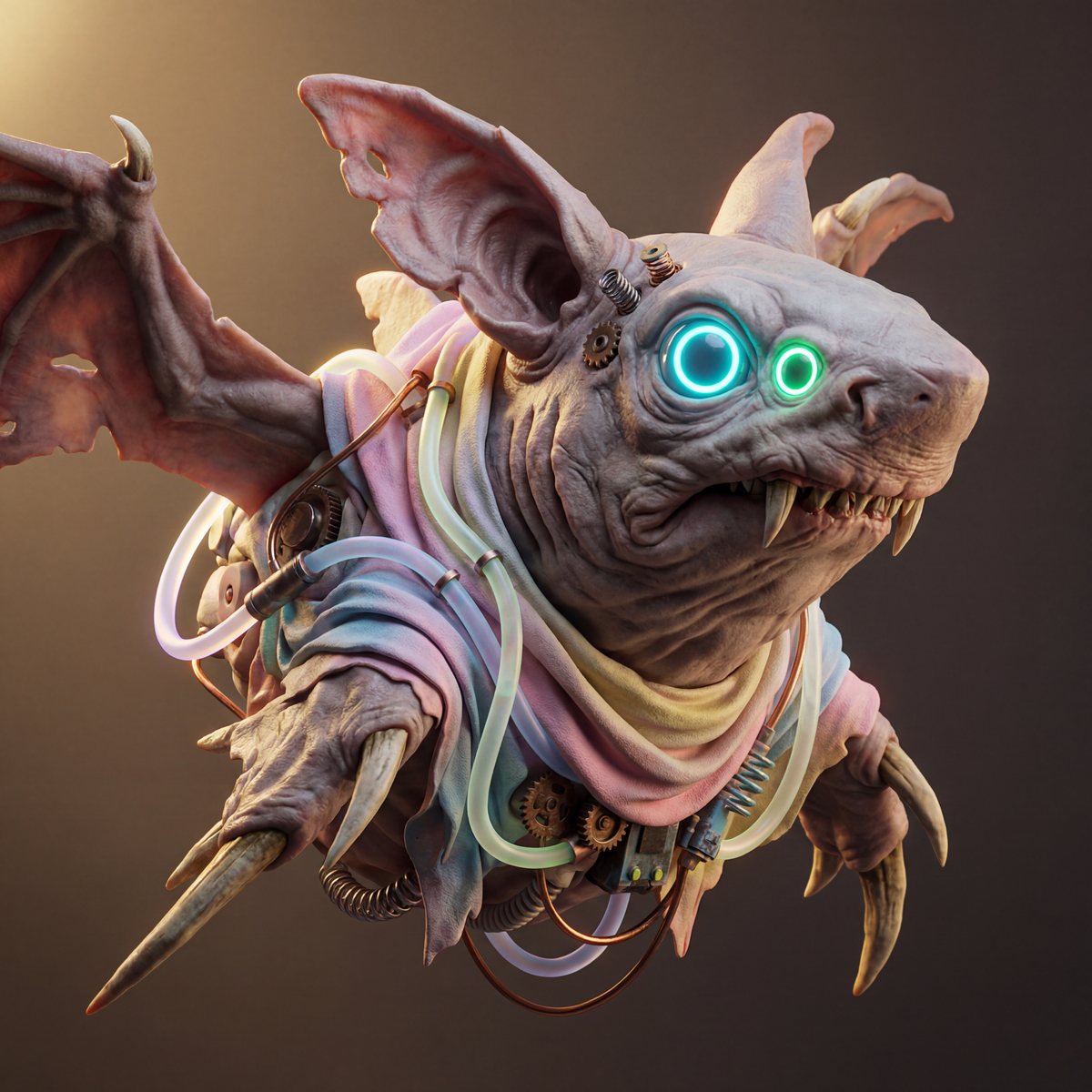
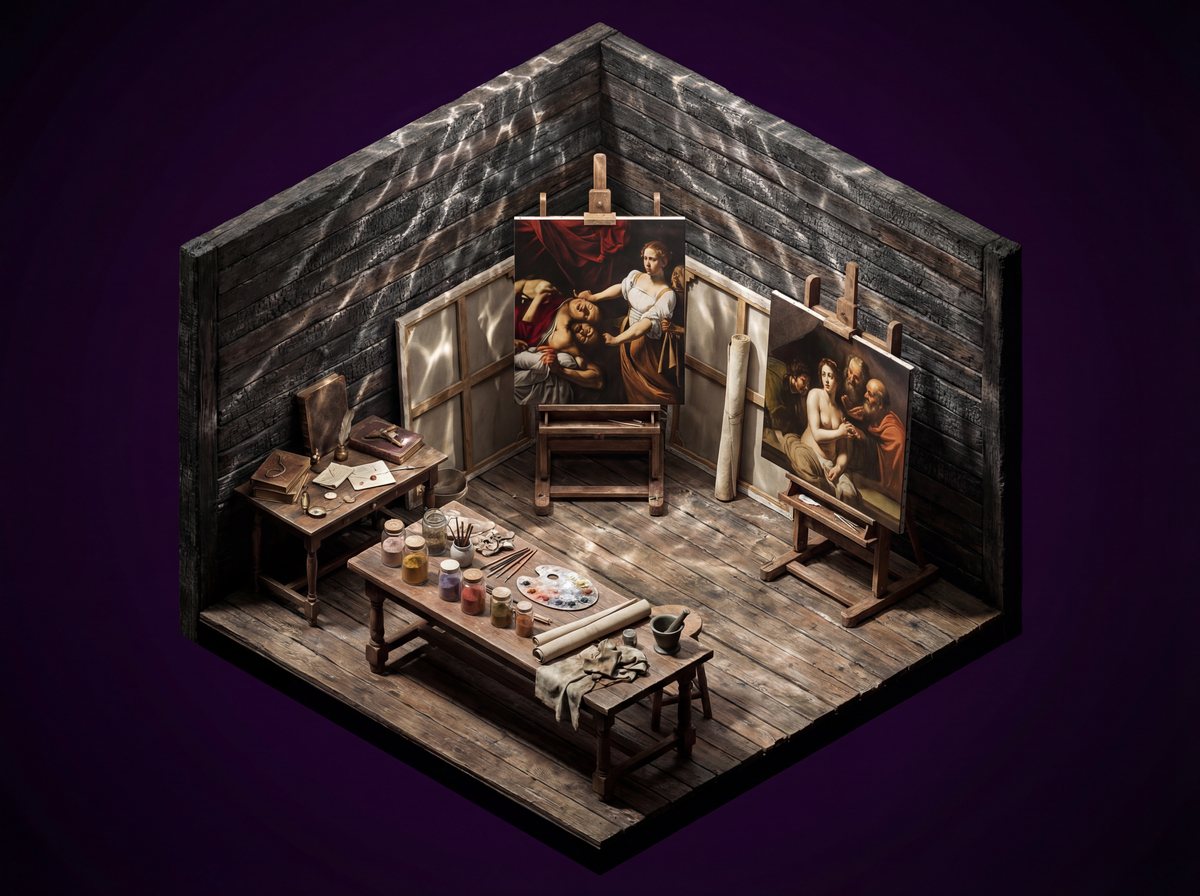
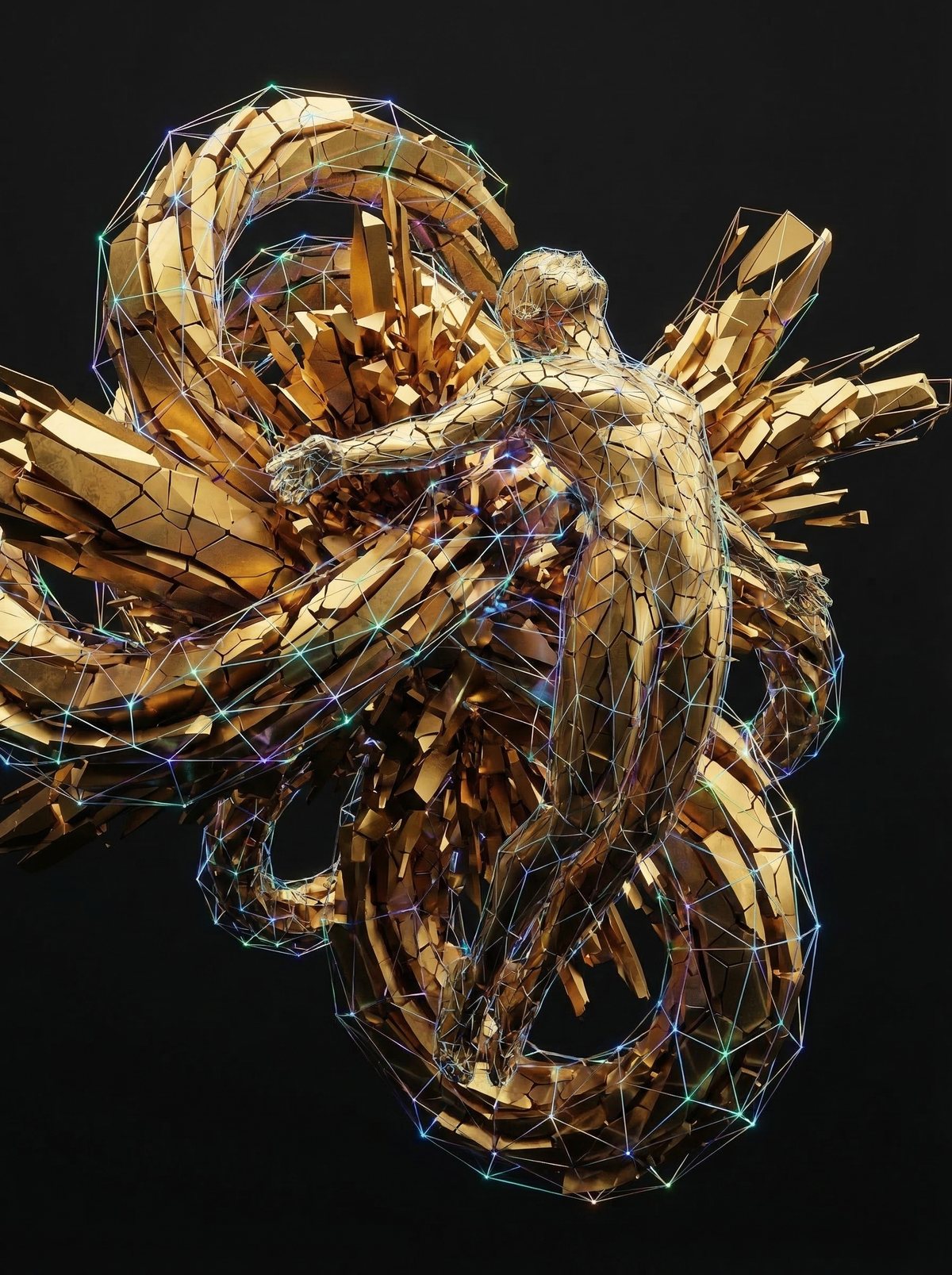
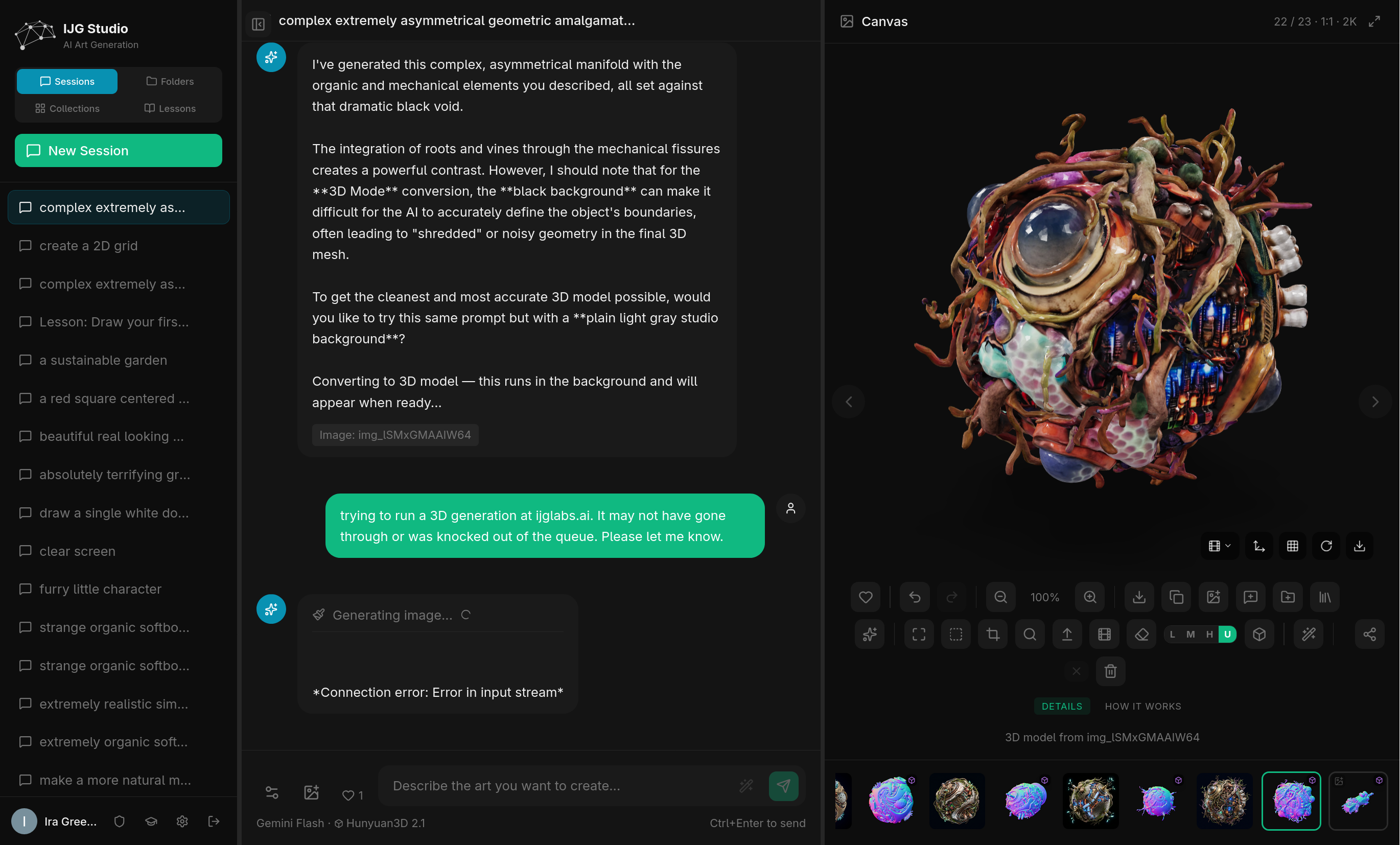
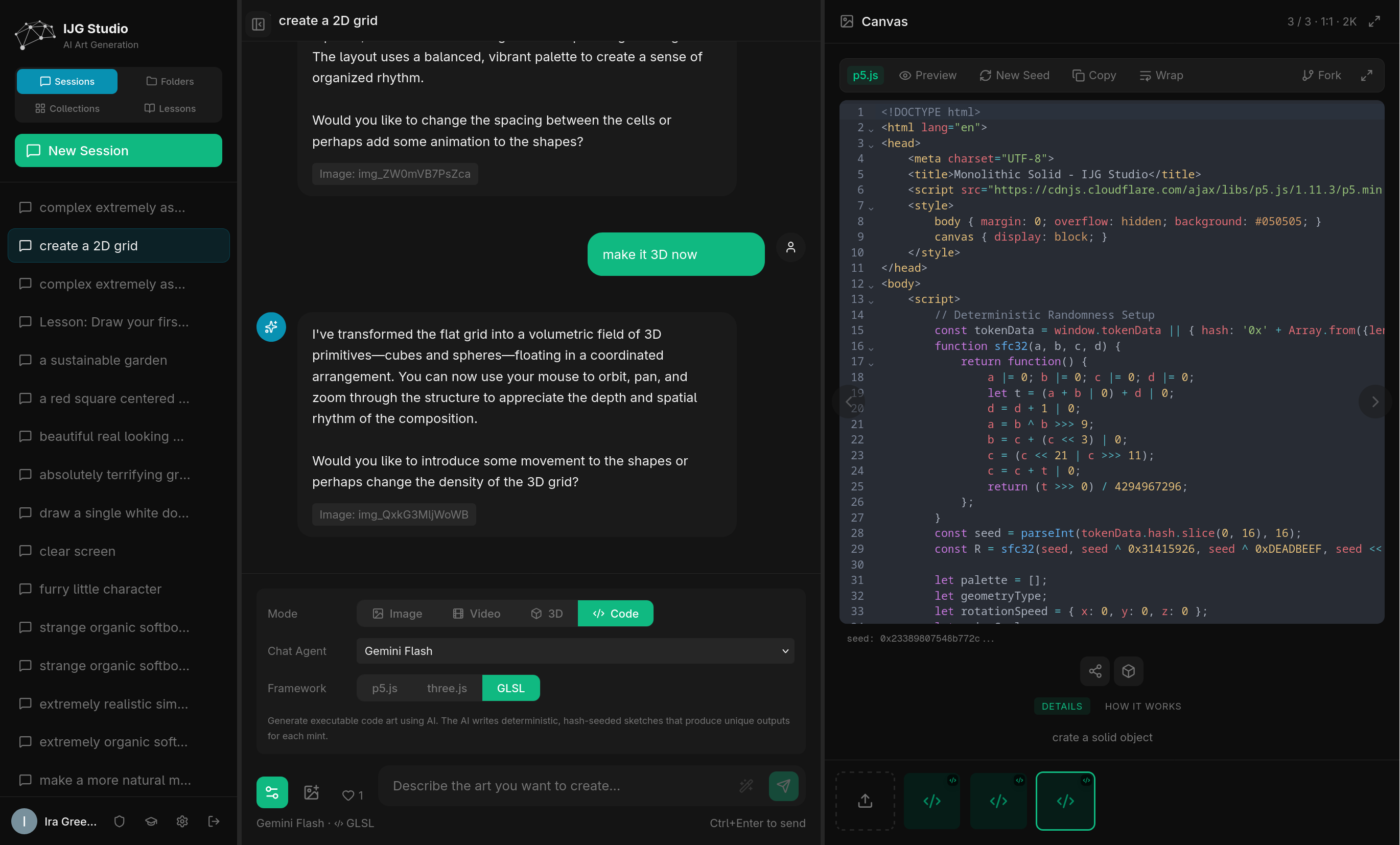
Image, video, 3D, sound — music, sound effects, and video-to-audio foley — and running code live in one chat-driven canvas. Work moves between media without leaving the environment: a sketch becomes an image, an image becomes a mesh, a video gets its soundtrack.
Creative coding, four frameworks
p5.js, three.js, GLSL, and Tone.js, with an audio-plus-visual mode that pairs sound with the sketch. A freehand drawing pad feeds both worlds: render the drawing as an image, or hand it to the code model and get the form back as live geometry.
A classroom built into the same surface
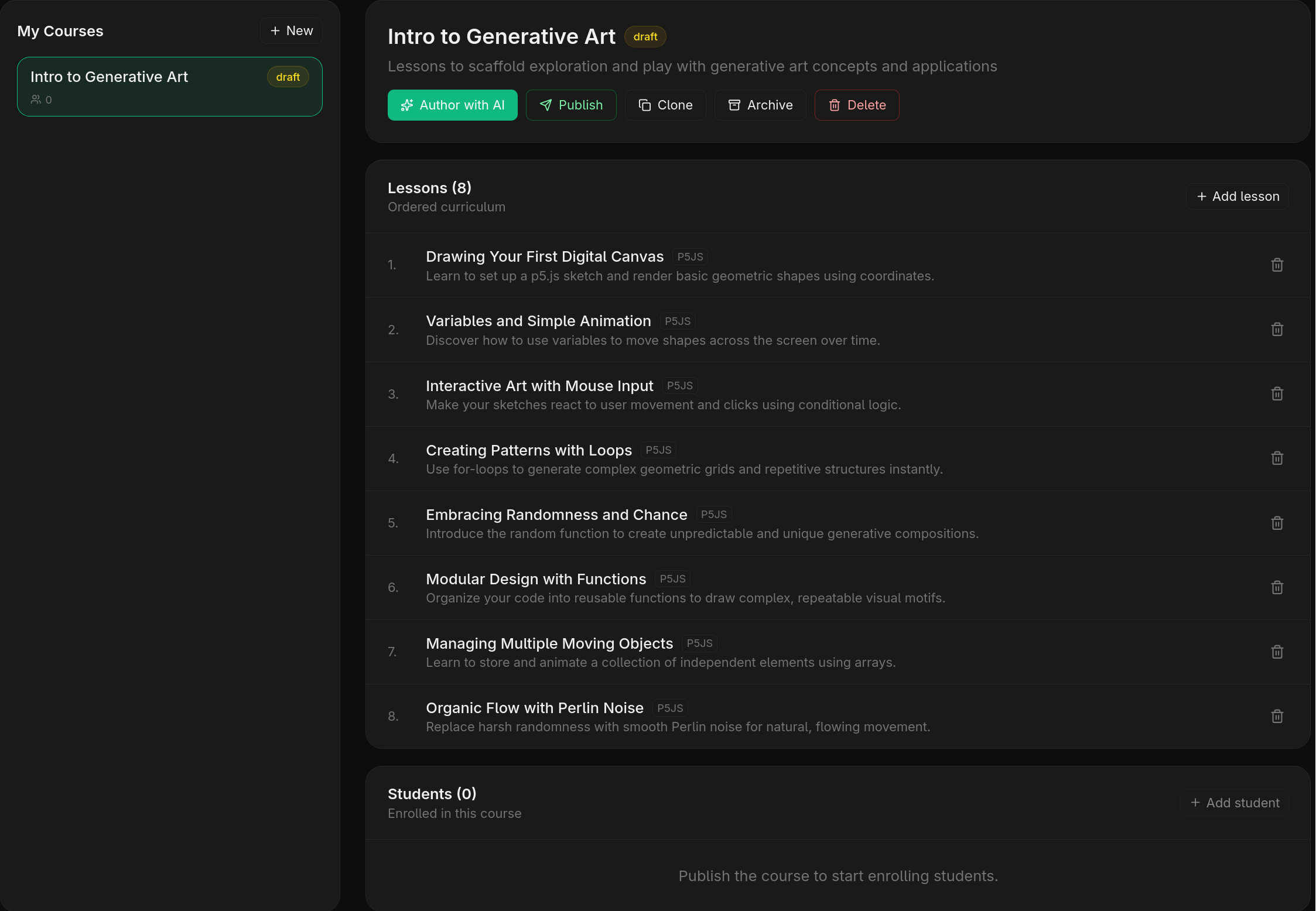
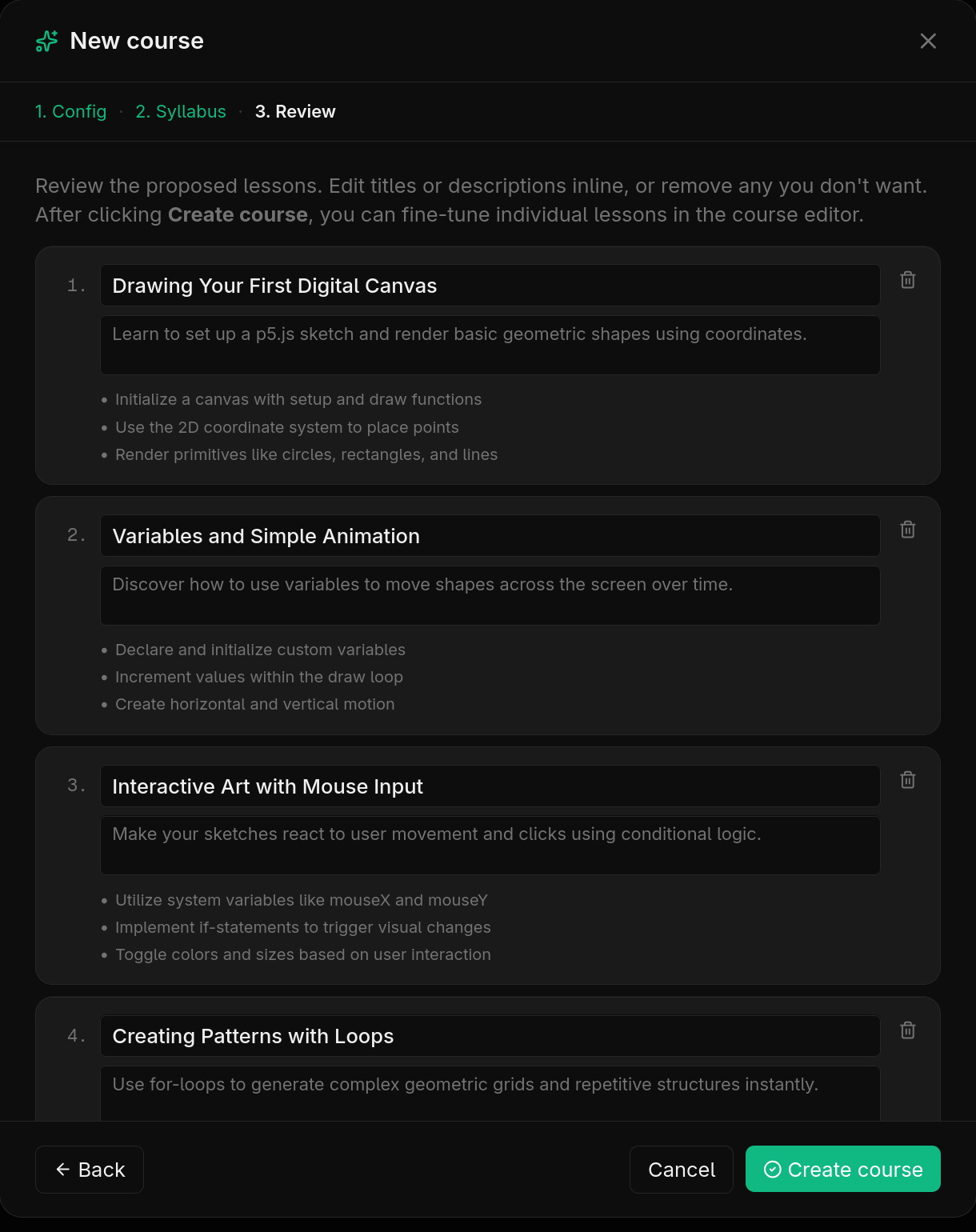
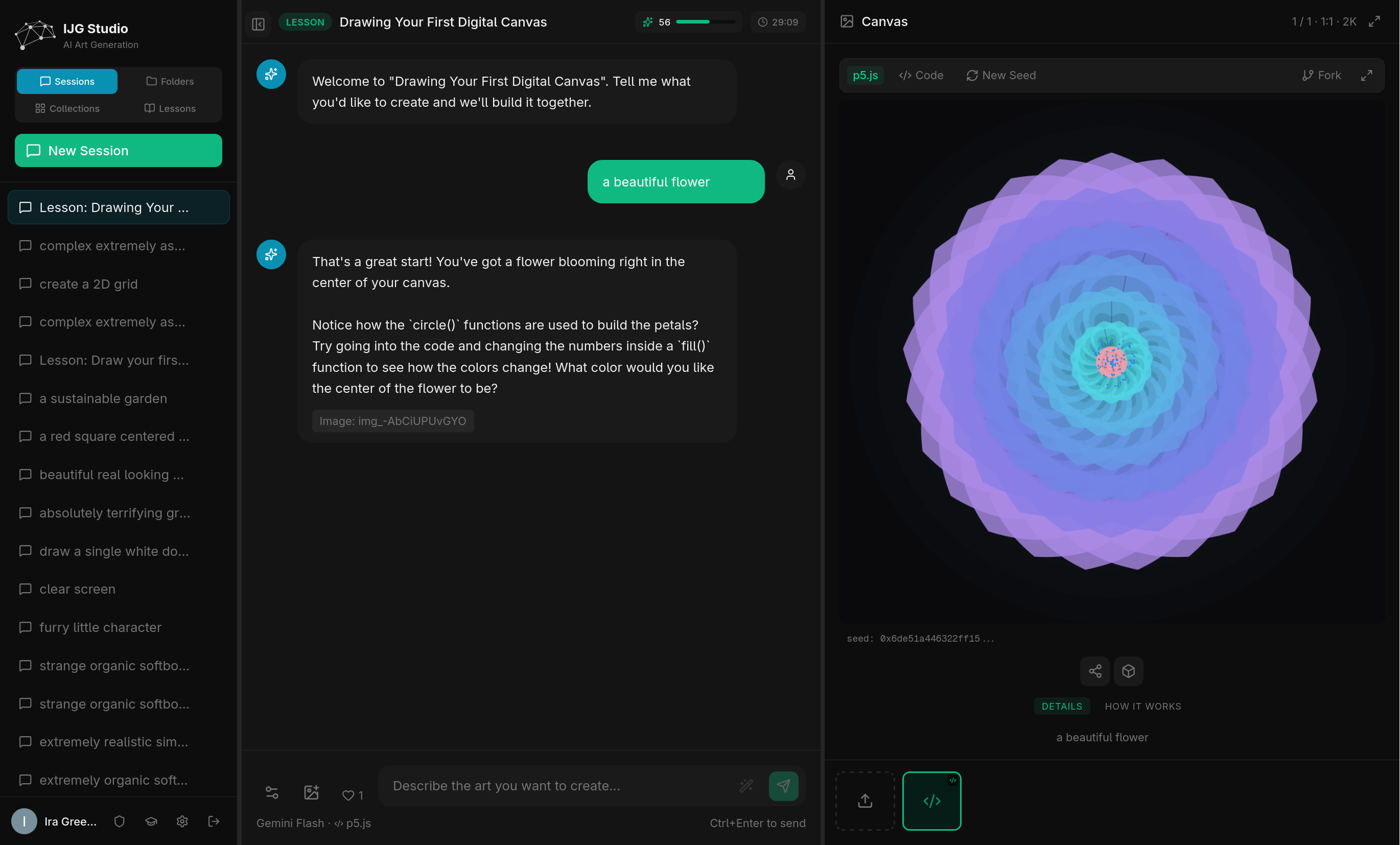
Teachers author courses in one sitting — starting from an existing syllabus if they have one. Lessons are self-paced and graded by a transparent five-dimension rubric that weighs process and understanding over polish, and every attempt and score is visible to the instructor.
Fifty vetted tutorials
Concept tutorials walk one idea — recursion, particle systems, how diffusion models work — along a fixed Explain → Show → Play → Make arc, with every illustration vetted before a student sees it. Teachers author their own and share them through a cross-teacher Commons.
Explainability as a feature
Every generated sketch carries Preview, Gist, How-it-Works, and Code layers, so generated work is a teachable object rather than black-box spectacle — surfaces for interpretation, critique, and revision.
From classroom to exhibition
Storyboard projects develop larger work and present it with narration and soundtrack. A teacher-curated public showcase (showcase.ij8.ai) gives class work a real audience, and the same platform runs a professional gallery with on-chain publishing (gallery.ij8.ai) — students can see the actual pipeline from practice to public work.